Elvis Presley Enterprises Sues Suno Over Voice Cloning
Elvis Presley Enterprises filed a lawsuit on November 6, 2024, against AI music company Suno, alleging it violated the ELVIS Act by enabling users to clone Presley's voice and use his copyrighted songs without permission.
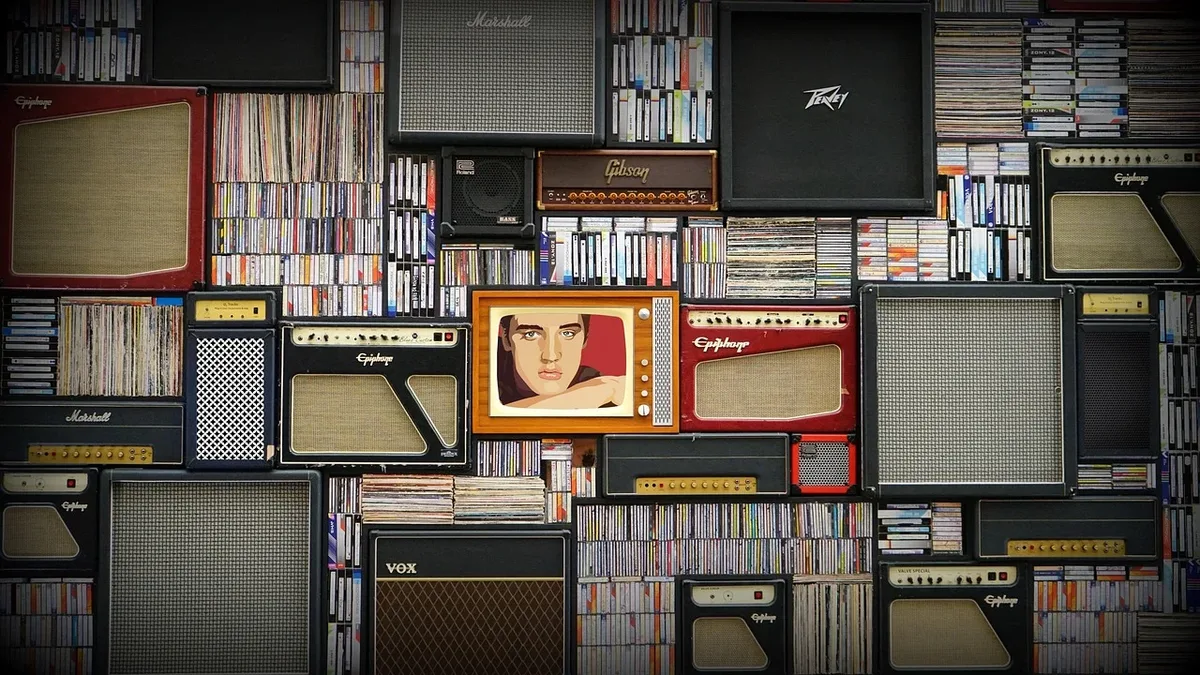
Elvis Presley Enterprises filed a lawsuit against AI music generator Suno on November 6, 2024. The suit alleges Suno violated the King of Rock 'n' Roll's likeness rights and copyrights by letting users clone his voice and steal his songs.
The complaint, filed in federal court in the Northern District of California, names specific copyrighted works. It claims Suno enabled the unauthorized generation of Elvis Presley songs including 'Can't Help Falling in Love,' 'Don't Be Cruel,' 'A Little Less Conversation,' 'All Shook Up,' 'Return to Sender,' and '(You're the) Devil in Disguise.' This case is one of the first major tests of Tennessee's new ELVIS Act.
Lawsuit alleges intentional misuse of identity and music
The lawsuit portrays Suno's actions as deliberate. It states the company's conduct was intentional, malicious, and fraudulent, aimed at its own financial benefit.
According to the filing, Suno generated an Elvis voice clone based on lyrics that included his name as recently as last month. The complaint argues Suno's broader actions aim to make human creativity obsolete by replicating, without a license, what takes artists years to learn.
Veteran music litigator Richard Busch of Adams & Reese, who filed the case, stated Suno 'stole Elvis' voice, his image, and likeness, as well as his copyrighted works on, literally, a breathtaking scale.' The lawsuit accuses Suno of copyright infringement and exploiting Presley's identity by allowing users to generate tracks that mirror his 'rich vocal timbre' without permission.
Legal basis under the ELVIS Act
The case hinges on Tennessee's 2024 Ensuring Likeness Voice and Image Security (ELVIS) Act. This law removed commercial restrictions on likeness rights and imposes liability on companies enabling unauthorized use of a person's likeness.
It specifically prohibits AI companies from cloning a singer's voice without consent. The Presley lawsuit claims Suno violated this act by allowing the unauthorized replication of Presley's vocal characteristics.
Suno's defense and prior litigation
Suno has denied all wrongdoing. The company's lawyers argue its models are designed to prevent users from including specific artist names in prompts or producing outputs that mimic specific real voices.
A spokeswoman stated, 'Suno exists to help people create new, original music, not to trade on anyone’s name or likeness, and we prohibit any unauthorized use of an artist’s work.' The company maintains that asking for songs 'in the vein of an artist' is not unlawful and that it works with third parties to screen for misuse.
This lawsuit is part of mounting legal challenges for Suno. The company was previously sued in 2024 by all three major music companies over AI training. While it settled with Warner Music Group last year, litigation continues with Universal Music Group and Sony Music.
Suno also faces additional cases from music publishers Round Hill Music and Reservoir, and a separate class-action suit from Americana singer Jason Isbell and others alleging identity exploitation. That suit, which mirrors aspects of the Presley case, seeks to recover value from misappropriated identities and stop commercial exploitation.
In a related federal action, Eight Mile Style, an LLC controlling hundreds of Eminem recordings, has also sued Suno for copyright infringement. Attorneys for the Presley group, including Richard Busch, also represent Eight Mile Style in its lawsuit.
The lawsuit against Suno was filed weeks after Elvis Presley Enterprises separately sued AI giant Anthropic for training its Claude model on Elvis songs. Lark-Marie Antón, a representative for Elvis Presley Enterprises, emphasized the value of these assets. She said, 'The name, image, likeness, and music of Elvis Presley are among the most valuable intellectual property assets in the world. We protect those rights vigorously.'
The lawsuit will proceed through federal court proceedings in the Northern District of California.