Vinyl And Physical Releases
| Release type | Vinyl and physical formats |
|---|
Origin and history
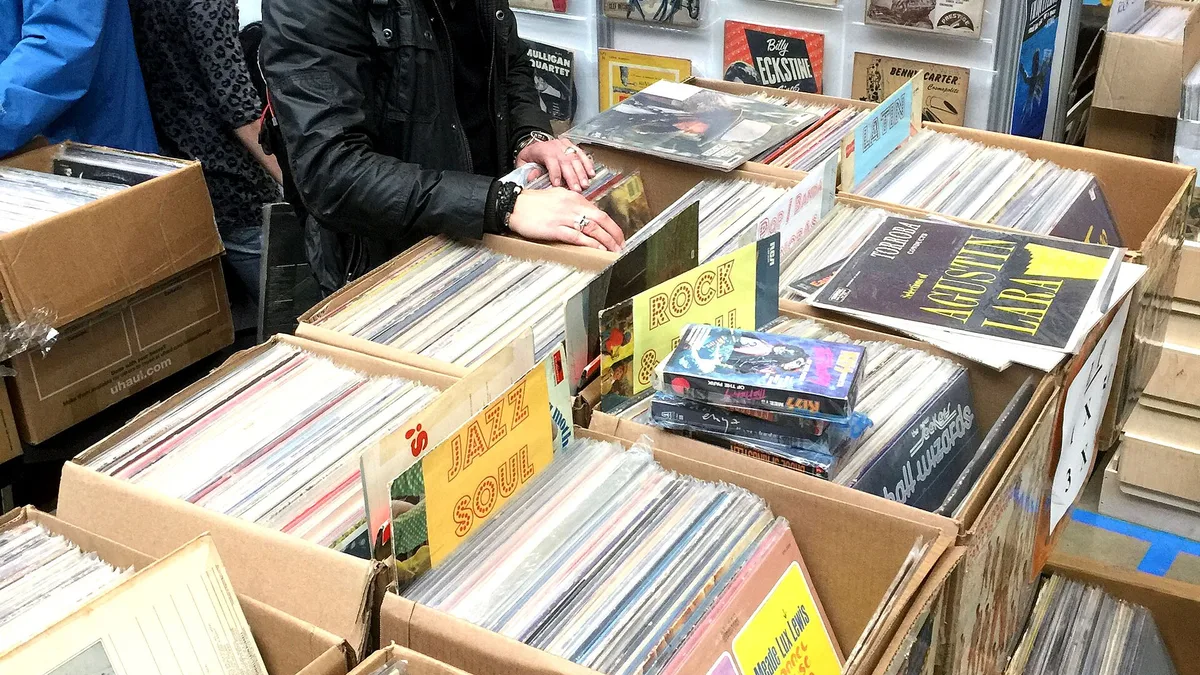
Vinyl records as a commercial format for music originated in the United States in the late 1940s, succeeding shellac records. The 12-inch Long Play (LP) microgroove vinyl record, offering about 22 minutes of music per side, was introduced by Columbia Records in 1948. The 7-inch 45 rpm single format was launched by RCA Victor the following year, establishing the two dominant physical formats for decades. The widespread commercial production and distribution of physical music releases, including vinyl, cassette tapes, and compact discs, defined the global music industry for the latter half of the twentieth century. A steep decline in sales began in the late 1990s with the rise of digital file sharing and compressed audio formats, leading many to declare physical media obsolete. A sustained resurgence of interest in vinyl records began in the late 2000s, driven by a desire for tangible ownership and higher-quality audio, which has grown into a significant market segment alongside streaming.
What it is for
Vinyl and physical releases serve as a permanent, tangible embodiment of an artist's work, existing independently of digital service providers or internet connectivity. They function as a primary revenue stream for artists and labels, often providing a higher per-unit profit margin compared to streaming royalties. The format is designed for intentional listening, encouraging engagement with an album as a complete artistic statement rather than as background noise or a selection of singles. Physical releases, particularly deluxe editions, act as collectible artifacts for fans, containing elaborate artwork, liner notes, lyrics, and other material that cannot be replicated in a digital stream. They are used as commemorative objects associated with concert tours, often sold as merchandise at venues to create a direct financial link between the live performance and the recorded work. The production of a physical release also serves a archival purpose, creating a stable, long-term storage medium for music that is not subject to licensing agreements that can remove albums from digital platforms.
Pros and cons
A significant pro is the superior audio experience many listeners report, citing the warmth of analog sound and the dynamic range of a well-mastered vinyl pressing, which can surpass compressed digital files. The tangible nature of the product provides a sense of true ownership and a physical connection to the music, complete with large-format artwork and inserts that enhance the artistic presentation. For artists, physical sales generate more direct revenue per unit and can be a crucial income source, especially when sold directly at live shows. A major con is the cost and logistical burden, as manufacturing vinyl involves high upfront expenses and long lead times, often stretching to many months, which can delay releases and tie up capital. The format is inherently fragile and requires careful handling and specific equipment to play, creating barriers to casual use and adding ongoing costs for maintenance and storage. Consumers often face high retail prices, and the market is susceptible to speculative buying and scalping for limited editions, which can frustrate genuine fans and distort the purpose of collecting.
Who it suits
This format suits dedicated music enthusiasts and audiophiles who prioritize sound quality and engage in active, focused listening sessions as a primary hobby. It is ideal for collectors who derive satisfaction from owning, cataloging, and displaying physical artifacts as part of their engagement with an artist's body of work. Vinyl and physical releases are well-suited to artists and labels whose visual aesthetic is a core component of their identity, allowing them to present a complete package that merges audio and visual art. It appeals to listeners who desire a deliberate alternative to the algorithmic, ephemeral nature of streaming platforms, seeking a more permanent and curated library. The format is also practical for fans attending concerts, as purchasing a record at the merchandise booth provides a direct and meaningful way to financially support the touring artist. It is less suited to highly casual listeners, individuals with minimal space, or those who prioritize maximum convenience and portability in their music consumption.
Latest Vinyl And Physical Releases news
Latest reporting

Miley, Carly Rae Jepsen, Riley Green Lead New Music Friday
Miley releases her Atlantic debut 'Bass Persuades,' Carly Rae Jepsen drops a double album, and Riley Green shares his fourth country set, leading a...

Spotify Ex-Head of Innovation Raises $5.5M for Music App
A Vinyl Bar in Shibuya, a music software startup founded by Spotify's former Head of Innovation Máuhan M. Zonoozy, has raised a $5.5 million pre-seed...
Beyoncé Releases B'Day 20th Anniversary Edition with Selena
Beyoncé has released the 20th anniversary edition of her 2006 album B'Day, featuring a Spanish-language mashup of 'Irreplaceable' and Selena's 'Como...
Turnstile's Never Enough: Versions Out Now
Turnstile releases 'Never Enough: Versions,' a reimagined album with 22 tracks featuring Elton John, Slayyyter, and Dying Fetus.

Peter Gabriel Releases 'Looking For The
Peter Gabriel has released the eight-and-a-half-minute synth-funk track 'Looking For The Happy' as part of his ongoing full-moon album series.

John Errol Returns with Dark New Single 'Float'
Los Angeles musician John Errol releases 'Float,' a sinister indie-pop track inspired by a nighttime swim and themes of revenge and survival.