
A And R And Label Signings
| Artist type | Record label |
|---|---|
| Original use | Signing and developing musical talent |
| First created | 20th century |
| Industry sector | Music |
| Key activities | Artist scouting, contract negotiation, artist development |
| Common structure | Department within a larger music company |
| Primary output | Recording contracts |
Origin and history
The practice of A&R and label signings originated within the commercial music industry of the United States in the early 20th century. Its development is intrinsically linked to the rise of record labels and the shift from sheet music sales to recorded music as the primary product. The role of the A&R (Artists and Repertoire) professional emerged as a critical function to discover talent, oversee recording sessions, and select material for artists. Initially, these individuals were often musicians or producers themselves who had an ear for marketable sound. The formalization of the signing process, involving contracts and advances, became standard industry procedure by the mid-20th century. This system established the foundational power dynamic between creative artists and the business entities that funded, distributed, and promoted their work.
What it is for
A&R and label signings serve as the primary mechanism for the commercial music industry to identify, develop, and monetize musical talent. The process is designed to manage risk for the record label by securing exclusive rights to an artist's recorded output in exchange for financial investment. A&R personnel are responsible for scouting potential artists through live performances, demos, and online platforms. Their function extends beyond discovery to include guiding the artist's creative development, song selection, and pairing them with appropriate producers. The signing itself is a legal and financial agreement that provides the artist with resources for recording, marketing, and touring. Ultimately, the system aims to produce commercially viable recordings and build sustainable careers, recouping the label's advance and generating profit from sales and licensing.
Pros and cons
A significant pro of the traditional A&R and signing system is the substantial financial and infrastructural support it provides, covering costs for high-quality studio production, marketing campaigns, and tour support that are otherwise inaccessible to most independent artists. It also offers artists access to industry expertise, professional networks, and established distribution channels that can accelerate career growth. A major con is the frequent loss of creative control and ownership, as labels often dictate artistic direction and retain master recording rights. Many artists regret signing deals without fully understanding complex contract terms, leading to unfavorable royalty structures and prolonged recoupment periods. A common mistake is artists sacrificing long-term rights for short-term financial gain, potentially leaving them indebted to the label and unable to profit from their own work. The system can also be criticized for prioritizing market trends over artistic innovation, sometimes homogenizing an artist's sound to fit current commercial formulas.
Who it suits
This system primarily suits artists who are prepared to treat music as a commercial business and are willing to trade autonomy for scale and resources. It is often a necessary path for genres with high production and promotion costs, such as mainstream pop, major-label hip-hop, or large-scale rock, where radio and television placement is costly. Emerging artists who lack the business acumen or capital to fund professional recording, manufacturing, and international distribution may benefit from the label's infrastructure. It can also suit songwriters and performers who prefer to focus solely on creation while delegating business, marketing, and logistical complexities to a professional team. However, it is generally ill-suited for artists with a strong, non-commercial artistic vision unwilling to compromise, or for those operating in niche genres where direct fan support through touring and merchandising is more viable. Furthermore, savvy entrepreneurs who build their own audience and brand independently may find traditional label deals unnecessarily restrictive.
Latest A And R And Label Signings news
Latest reporting

Even Studio Launches as Invitation-Only Artist Platform
Even Studio, a white-label platform allowing artists to sell music, tickets, and merch directly on their own domains, launched on September 29, 2026.

Moonbug Launches Big Feelings Music for Kids' Artists
Moonbug Entertainment, owner of CoComelon, has launched Big Feelings Music, a new company offering label and distribution services to children's music
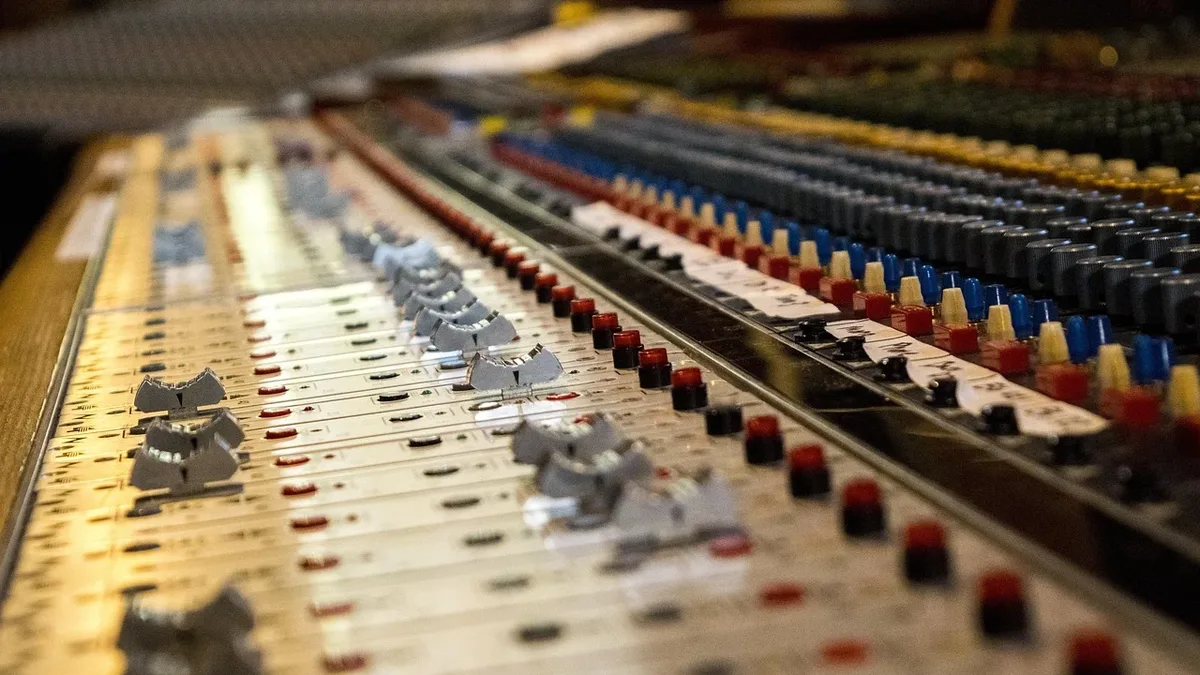
Symphonic Integrates MassiveMusic Audio for Smoother Label
Symphonic has added audio delivery from Songtradr's MassiveMusic to its TransferTrack migration tool, aiming to automate one of the final manual...

Suno Launches v6 AI Music Models with Major Label Partners
Suno has globally launched its v6 AI music models, developed with licensed data from partners Warner Music Group, BMG, and Believe.
Prince Estate Clarifies Overdubs on New Album Timeless
Prince's label has confirmed that horns were added posthumously to the track 'Calabama' on the new album *Timeless*, contradicting earlier claims...

Rubber Band Gun Surprise Drops *Bloodwork* Album
Kevin Basko's project Rubber Band Gun released a surprise album, *Bloodwork*, on the Historic New Jersey label, featuring contributions from Emily...