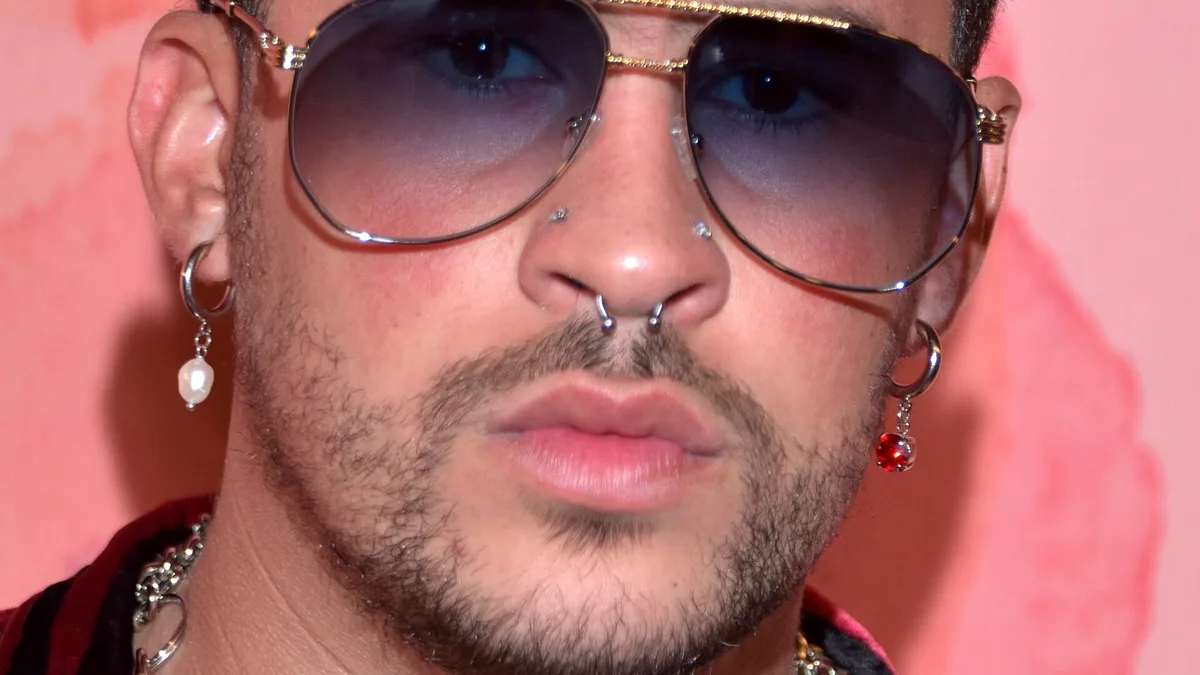
Bad Bunny
| Country of origin | Puerto Rico |
|---|---|
| First created | 2010s (artist emergence) |
| Original use | Music production and performance |
| Primary genre | Reggaeton and Latin trap |
| Typical lyrical themes | Romance, party culture, social commentary |
| Performance style | High-energy, genre-blending |
| Associated label | Rimas Entertainment (primary label) |
Origin and history
Bad Bunny is a musical artist originating from Puerto Rico. His career began to take shape in the late 2010s, initially through self-released tracks on online platforms like SoundCloud. His breakthrough into the wider Latin music industry occurred around 2016 and 2017, facilitated by collaborations with established reggaeton producers and artists. The stage name "Bad Bunny" was adopted during this period, reportedly stemming from a childhood photograph where he appeared frowning while dressed in a bunny costume. His early work was characterized by a raw, trap-influenced sound that diverged from the more polished reggaeton mainstream of the time. This foundational period established him as a leading figure in the new wave of Latin urban music, setting the stage for his subsequent global dominance.
What it is for
Bad Bunny's music and associated tours serve as a primary commercial and cultural vehicle for contemporary Latin trap and reggaeton. His album releases function as large-scale artistic statements that often define musical trends and spark widespread public discourse. The accompanying world tours are designed as massive, immersive spectacles that translate his recorded work into live experiences for audiences across the Americas and Europe. These tours are significant economic engines, generating substantial revenue through ticket sales, merchandise, and bolstering the live music sector. Furthermore, his work consistently functions as a platform for social commentary, addressing themes such as gender equality, mental health, and Puerto Rican identity. The integrated cycle of album release and tour is central to maintaining his prominence, expanding his fanbase, and solidifying his influence within the global music industry.
Pros and cons
A significant advantage of a Bad Bunny album cycle and tour is its demonstrated capacity to draw massive, diverse audiences and achieve record-breaking commercial success across language barriers. The productions are known for their high-energy, visually inventive stage designs and setlists that effectively blend new material with fan favorites. However, a common critique is the potential for vocal performance inconsistency during live shows, attributed to the physically demanding nature of the choreography and the relentless touring schedule. Some listeners regret the gradual shift away from the raw, gritty sound of his earliest mixtapes toward a more polished, pop-infused mainstream aesthetic. The scale of the tours can also lead to prohibitively high ticket prices and difficult access for fans in certain regions, creating a barrier to entry. Furthermore, the sheer volume of output and constant media presence risks oversaturation, potentially diluting the impact of individual releases for some segments of his audience.
Who it suits
The Bad Bunny concert experience particularly suits dedicated fans of contemporary Latin urban music who prioritize high-energy spectacle and communal celebration over intimate, acoustically pristine performances. It appeals to younger audiences who connect with his genre-blending approach, fashion influence, and the social themes present in his lyrics. The tours are well-suited for large-scale venues and festivals capable of supporting the complex logistics of his elaborate stage production and pyrotechnics. Listeners who value artistic evolution and an artist's willingness to experiment with different musical styles across albums will find his discography engaging. It is less suited for purists of traditional salsa or classic reggaeton, or for those seeking primarily acoustic or lyric-focused live performances. Ultimately, his work resonates most strongly with a global, multilingual generation that views music as both entertainment and a vehicle for cultural identity.