Bad Bunny Wins Key Dembow Rhythm Copyright Ruling
A US federal judge dismissed the core copyright claim in a lawsuit accusing Bad Bunny, Drake, and over 150 artists of copying the reggaeton 'dembow'

A US federal judge has dismissed the central copyright claim in a lawsuit targeting Bad Bunny, Drake, and more than 150 other artists over the reggaeton "dembow" rhythm. Judge André Birotte Jr. Ruled on September 1 that the plaintiffs had not identified a single copyrighted work of their own that contains the specific combination of elements they are trying to protect.
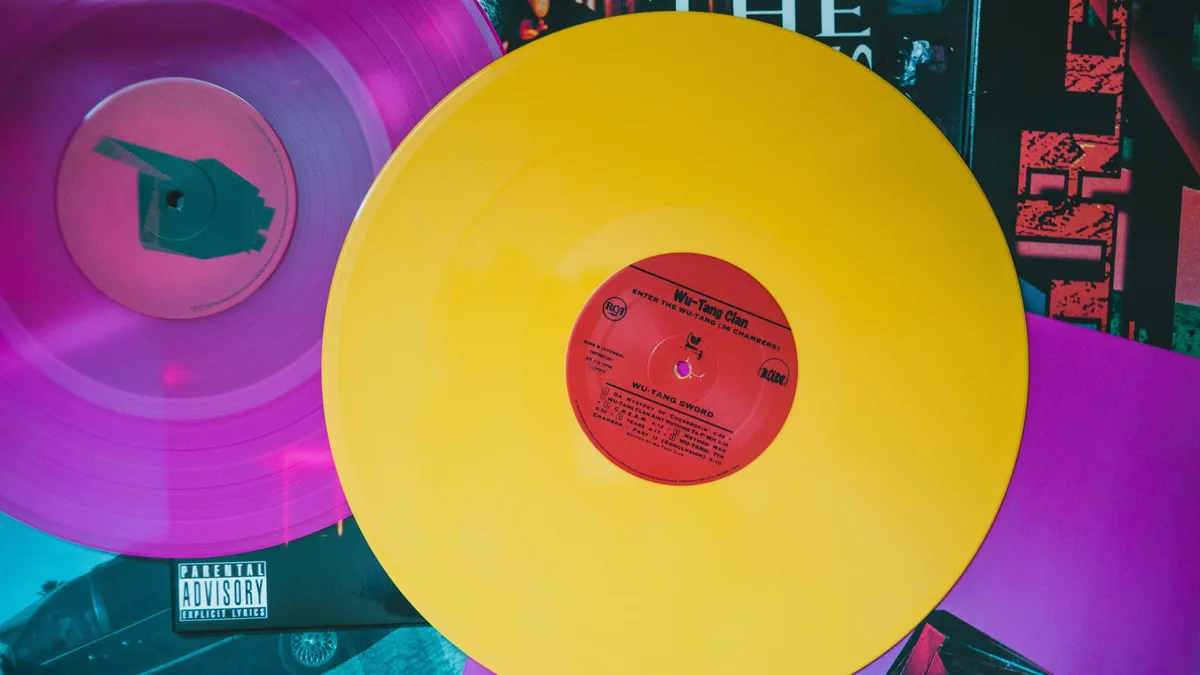
The case was initiated in 2021 by Cleveland "Clevie" Browne and the heirs of Wycliffe "Steely" Johnson. They claim their 1989 track Fish Market is the source of the percussion pattern foundational to reggaeton. Their lawsuit listed nearly 2,000 tracks allegedly using the rhythm, including hits like Despacito and Bad Bunny's Tití Me Preguntó.
Judge Birotte's new order reverses his own decision from July 1. That earlier ruling had left the question of the rhythm's protectability for a jury to decide. Following a motion for reconsideration filed by Bad Bunny and his label Rimas Entertainment on July 15, and joined by defendants including Drake's OVO Sound, UMG Recordings, and Empire Distribution, Birotte heard arguments on August 14 and sided with the artists.
The Judge's Reasoning
Judge Birotte vacated the part of his July order that had denied the defendants summary judgment. He granted it to them on the selection and arrangement theory central to the case. "Plaintiffs have not clearly identified what copyrighted work contains the allegedly protectable selection and arrangement they seek to enforce," Birotte wrote in his order.
The judge noted the plaintiffs own the Fish Market composition and recording, the Dem Bow composition, and the Pounder (Dub Mix II) recording. However, he found the record did not establish that the complete two-bar pattern they described exists in any one of those specific works. Birotte stated that plaintiffs cannot assemble a new copyrighted work for litigation by aggregating portions of multiple existing works.
Shifting Explanations and Legal Scope
Birotte pointed to the August 14 hearing, where the plaintiffs for the first time stated more definitively that the complete pattern existed in Fish Market itself. "The shifting explanations are significant because they show that the parties have not merely disputed the factual characteristics of the Claimed Works; they have disputed what the asserted copyrighted work actually is," the judge wrote.
He ruled that identifying which work defines the copyright is a question for a judge, not a jury. "The jury cannot determine which collection of elements, drawn from one or multiple works and rearranged, constitutes the copyrighted work in the first place," Birotte stated. The scope of the claimed work, he added, cannot "remain fluid throughout litigation."
The practical effect is that the theory driving the case for over five years cannot proceed to a jury in its current form. Birotte explicitly did not rule on whether the dembow rhythm itself is original. "Nor does the Court decide whether Plaintiffs’ alleged rhythmic elements, viewed individually or collectively, are original," he wrote.
Case Status and Broader Context
The lawsuit is not over. The parties have been ordered to meet within 30 days to discuss a schedule for the claims that remain. Claims over the alleged copying of the plaintiffs’ sound recordings were not decided and will still have to be litigated. Before the ruling, Billboard reported in July that the case had "hundreds of millions of dollars in potential damages at stake."
The decision fits a pattern of recent US court rulings narrowing what rights-holders can claim in shared musical building blocks. Judge Birotte leaned on the 2020 appeals court decision that cleared Led Zeppelin over Stairway to Heaven. He also referenced cases where Ed Sheeran beat suits alleging his song Thinking Out Loud copied Marvin Gaye's Let's Get It On.
The dembow ruling arrives as Bad Bunny faces other legal challenges. Puerto Rico’s Supreme Court ruled on July 8 that his former partner Carliz De La Cruz Hernández can pursue a claim seeking at least $40 million over a voice tag. A separate lawsuit filed in January by Tainaly Serrano Rivera seeks $16 million over alleged unauthorized use of her voice. According to Music Business Worldwide, Bad Bunny was Spotify’s most-streamed artist globally in 2025, with more than 19.8 billion streams.