Columbia Records
| Founded | 1889 |
|---|---|
| Country of origin | United States |
| Original use | Phonograph cylinder and disc production |
| First created | 19th century |
| Parent company | Sony Music Entertainment |
| Status | Active |
| Specialization | Recorded music |
Origin and history
Columbia Records originates from the United States, specifically founded in the late 19th century. The label was established in the 1880s as the Columbia Phonograph Company, initially involved in the sale and servicing of Edison phonographs. It evolved from a local distributor into a national entity by the early 20th century, becoming a pioneer in disc record production after initially dealing in cylinder recordings. The company faced significant financial challenges during the Great Depression, leading to its acquisition by the American Record Corporation in the 1930s. A pivotal moment in its history occurred in 1938 when the Columbia Broadcasting System purchased the label, integrating it into a major media network. This ownership under CBS lasted for decades, profoundly shaping its resources and market reach throughout the mid-20th century before it became part of larger conglomerates in subsequent eras.
What it is for
Columbia Records functions as a major record label, primarily engaged in the discovery, development, marketing, and distribution of recorded music. Its core purpose is to provide artists with the financial backing, production facilities, and industry expertise necessary to create and sell albums and singles on a mass scale. The label manages the entire lifecycle of a release, from studio recording and manufacturing to securing physical and digital retail placement. A significant aspect of its role involves organizing and financing promotional tours to support album launches, leveraging its connections to book venues and arrange logistics. It also handles the legal and business aspects of an artist's work, including copyright management, royalty collection, and contract enforcement. Furthermore, the label invests in long-term artist branding, aiming to build sustainable careers that extend beyond a single release cycle.
Pros and cons
A primary advantage of Columbia Records is its immense institutional power, offering artists access to top-tier producers, studios, and a global distribution network that can ensure widespread physical and digital availability. The label's historical prestige and deep industry relationships can secure prominent media coverage, high-profile tour venues, and lucrative sponsorship deals for an album campaign. However, a significant con is the potential loss of creative control and ownership, as artists often cede a portion of their master recording rights and face pressure to conform to commercial trends. The common mistake for artists is underestimating the financial recoupment process, where substantial advances for recording and tour support must be repaid from royalties, sometimes leaving them in debt despite apparent success. Artists who regret choosing a major label like Columbia are often those with niche or avant-garde styles who find their work poorly marketed or shelved in favor of more predictable, mainstream projects. Furthermore, the sheer size of the organization can lead to impersonal artist development, where decisions are made by committees focused on quarterly earnings rather than long-term artistic growth.
Who it suits
Columbia Records best suits established, commercially proven artists or exceptionally marketable newcomers who aim for immediate, large-scale mainstream impact. It is an appropriate choice for performers whose musical style aligns with broad popular genres such as pop, rock, hip-hop, or country, where the label's marketing machinery is most effective. The label suits artists who require substantial upfront capital to finance elaborate studio productions, high-quality music videos, and extensive global touring arrangements. It is also a strong fit for individuals who prefer to focus primarily on performance and songwriting while delegating the complex business, legal, and logistical burdens to a professional team. Conversely, it is less suited for artists who prioritize complete creative autonomy, wish to retain ownership of their master recordings, or operate within niche genres that do not align with mass-market strategies. Ultimately, it suits those whose primary career objective is achieving maximum visibility and commercial sales, even at the cost of some artistic and financial independence.
Latest Columbia Records news
Latest reporting

Musicians' Union Opposes Labels' Bid to Dismiss AI Lawsuit
The American Federation of Musicians has filed a legal opposition to motions by Universal Music Group and Warner Records to dismiss its lawsuit.

Annie Christensen Named VP of Catalogue at Warner Chappell
Warner Chappell Music UK has appointed Annie Christensen as Vice President, Catalogue. She will lead catalog acquisition and strategy, moving from a...

Helix Records and Payday Music Open London Hub
Patrick Moxey's Helix Records and Payday Music Publishing have opened a 6,000 sq. Ft. European headquarters in central London, featuring seven studio...

GracieHorse Announces New Album Breaking And Entering
GracieHorse will release her new album 'Breaking And Entering' on January 29 via Wharf Cat Records. The album, produced by Chris Cohen, features the...

GDP Announces First Album in 14 Years
New Jersey artist Matthew Miller, who records as GDP, will release his first proper album in 14 years, 'Cross Off Matthew,' on October 23 via Run For...
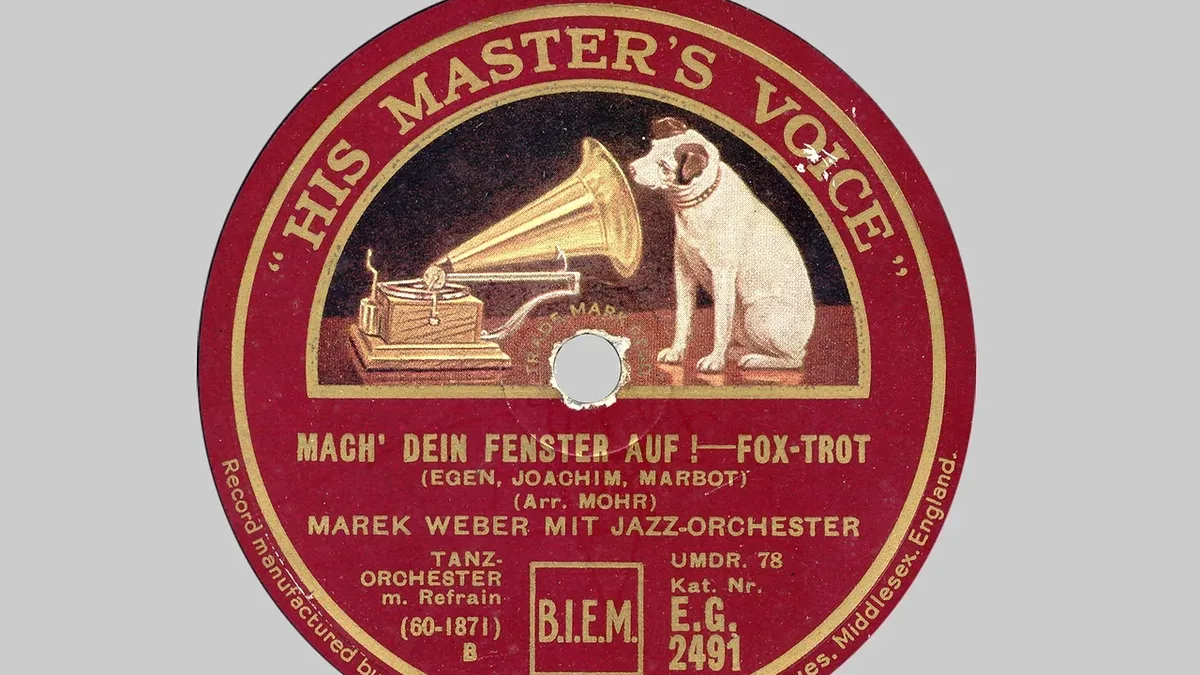
Warner Music Launches Warner Records Germany
Warner Music Central Europe has launched a new frontline label, Warner Records Germany, based in Berlin and led by industry veteran Lea Londa.