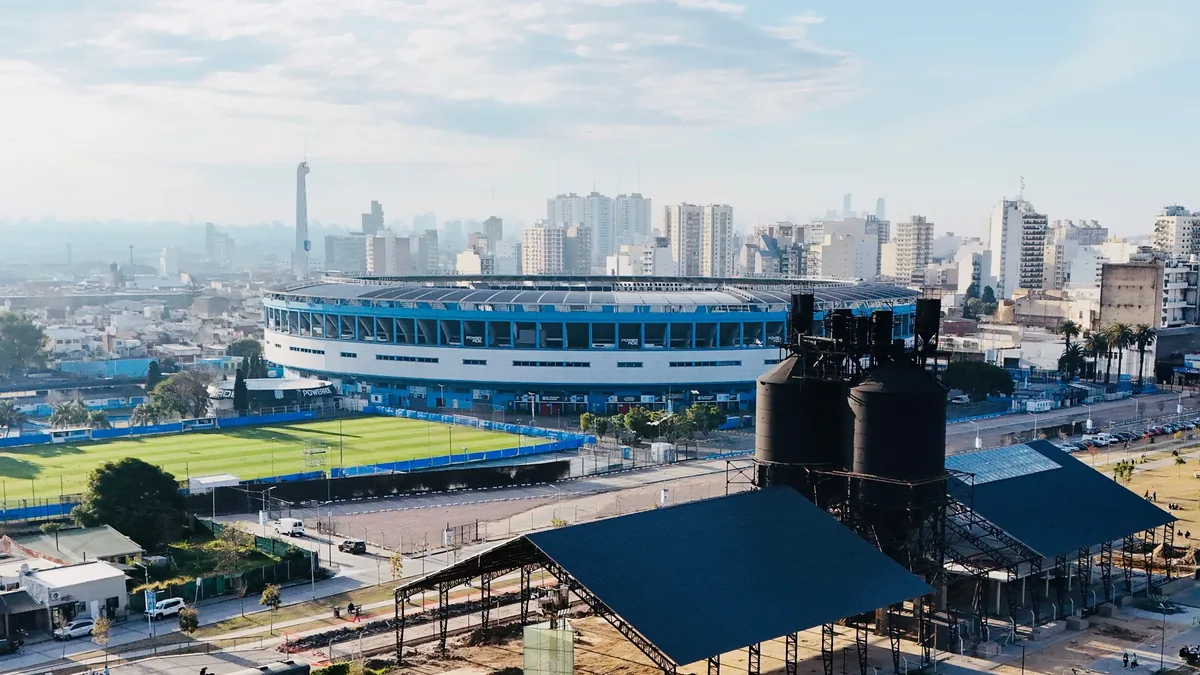
Sofi Stadium
| Artist name | Sofi Stadium |
|---|---|
| Country of origin | United States |
| First created | 2020s |
| Original use | Music venue and sports stadium |
| Location | Inglewood, California |
| Operator | StadCo LA, LLC |
| Architectural firm | HKS, Inc. |
| Seating capacity | Approximately 70,000 (expandable to 100,000) |
Origin and history
SOFI Stadium is a multi-purpose stadium located in Inglewood, California, United States. Its development was part of the larger Hollywood Park redevelopment project on the site of the former Hollywood Park racetrack. Planning and construction for the venue began in the 2010s, with the stadium officially opening its doors in the early 2020s. The stadium is named after the financial services company SoFi, which secured the naming rights in a long-term agreement. It was built as the shared home for two National Football League franchises, the Los Angeles Rams and the Los Angeles Chargers. The stadium's construction represented one of the most expensive private stadium projects ever undertaken.
What it is for
SOFI Stadium is primarily designed as the home venue for the Los Angeles Rams and Los Angeles Chargers NFL teams. Beyond professional football, the stadium is engineered to host a wide array of large-scale events, including international soccer matches, major concert tours, and significant entertainment spectacles like WrestleMania. The venue features a fully enclosed, translucent roof that allows for climate control while maintaining a connection to natural light, making it suitable for year-round events. Its expansive floor space and advanced infrastructure support elaborate stage setups for touring musical artists. The stadium also contains a separate performance venue, the YouTube Theater, and extensive plaza areas for ancillary events and fan activities. Its primary function is to serve as a premier destination for global sports and entertainment in the Los Angeles metropolitan area.
Sofi Stadium setlist
As a physical venue, SOFI Stadium does not have a fixed setlist; the performances are determined by the touring artists who rent the facility. For a major concert residency, such as a multi-night engagement by a global pop star, the setlist would be curated entirely by that artist's creative team. The stadium's advanced acoustics and stage engineering are capable of supporting complex productions with numerous song changes, pyrotechnics, and visual effects. A typical stadium concert setlist for a headlining artist often includes their greatest hits, tracks from a recent album, and potentially one or more cover songs. The specific sequence and selection of songs are unique to each performer and are often adjusted slightly between tour stops. Fans should consult the official channels of the specific artist performing at SOFI Stadium for the confirmed setlist on the night of their event.
Sofi Stadium tour dates
SOFI Stadium is not a touring entity itself; it is a fixed location. Therefore, it does not have "tour dates." Instead, the stadium's event calendar is populated with scheduled appearances by touring artists, sports teams, and other events. These dates are announced by the event organizers, such as concert promoters or sports leagues, and are publicly listed on the stadium's official website and ticketing platforms. For example, a world tour by a major musical act may include one or more specific nights booked at SOFI Stadium as part of their itinerary. Similarly, the NFL schedule dictates the home game dates for the Rams and Chargers each season. Individuals seeking to attend an event must look for the specific date associated with the performer or team they wish to see, not a date for the stadium itself.
Overview
The venue is notable for its expansive, ovoid form and its ethylene tetrafluoroethylene (ETFE) roof panels, which create a light-filled interior while protecting from the elements. It forms the centerpiece of a 298-acre district that includes retail, residential, and office spaces, aiming to be a year-round destination. With a seating capacity that can be configured for approximately 70,000 to 100,000 attendees depending on the event, it ranks among the largest stadiums in the NFL. The stadium has already hosted premier events including the Super Bowl, the College Football National Championship, and concerts by top-tier international artists. Its design prioritizes fan experience, premium hospitality offerings, and operational flexibility to accommodate a diverse event portfolio.
What to know
Attendees should be aware that SOFI Stadium operates a strict clear bag policy, allowing only bags that are clear plastic, vinyl, or PVC and do not exceed specified dimensions. The stadium is a cashless venue, requiring all transactions for parking, concessions, and merchandise to be made via credit/debit card or mobile payment. Due to its immense size and the high attendance at major events, traffic congestion in the surrounding area is severe, making public transportation, rideshare services, or arriving exceptionally early strongly advised. The interior navigation can be complex, so reviewing stadium maps and locating entry gates, sections, and amenities in advance is highly beneficial. Ticket verification is primarily digital via mobile devices, and screenshots of barcodes are often not accepted, requiring use of the official ticketing app. Weather is generally not a concern for attendees due to the enclosed roof, but large crowds and lengthy walks from parking areas should be anticipated.
Common questions
A common question is whether parking is available on-site, and the answer is yes, but it must be purchased in advance through the stadium's official parking partner as it regularly sells out. Many ask about public transportation access, and the stadium is served by a dedicated transit center with connections to regional bus lines and a shuttle from the Metro K Line, though rail direct to the stadium is not yet complete. Guests frequently inquire about bringing cameras, and professional cameras with detachable lenses are typically prohibited for concerts, while small point-and-shoot or smartphone cameras are allowed. People often question if there is a re-entry policy, and the standard policy is that exiting the stadium gates constitutes a final departure, with re-entry not permitted. Another frequent query concerns the availability of Wi-Fi, and the stadium offers complimentary high-density Wi-Fi throughout the concourses and seating bowl. Attendees also commonly ask about food options, and the venue features a wide variety of concession stands ranging from classic stadium fare to offerings from local Los Angeles restaurants.
Pros and cons
A significant advantage of SOFI Stadium is its technological and architectural superiority, providing exceptional sightlines, massive high-definition video boards, and consistent climate control for attendee comfort. The concentration of premium amenities, from expansive club lounges to a vast number of restrooms and concession points, enhances the experience for large crowds. A major drawback is the substantial cost, reflected in high ticket prices, expensive parking, and premium-priced concessions and merchandise, which can make an event prohibitively expensive for many. The common mistake is underestimating travel logistics; traffic gridlock can turn a short drive into a multi-hour ordeal, and rideshare pickup after events is often chaotic and slow. Some attendees, particularly those in upper-level seats for concerts, regret their choice due to the extreme distance from the stage, where performers can appear very small despite the video screens. The sheer scale of the venue can also feel impersonal and overwhelming compared to more intimate arenas or theaters.
Who it suits
SOFI Stadium suits dedicated fans of the Los Angeles Rams or Los Angeles Chargers seeking the pinnacle of modern NFL game-day amenities and atmosphere. It is ideal for attendees of mega-events like the Super Bowl or major international soccer matches, where the scale and global prestige of the venue match the occasion. The stadium is well-suited for devotees of top-tier musical artists on large-scale tours who prioritize seeing their favorite performer in one of the world's most advanced concert venues. The venue is less suited for individuals seeking a budget-friendly outing, those averse to large and dense crowds, or patrons who prefer the acoustic and visual intimacy of smaller theaters and clubs. It best serves those for whom the event itself is a primary destination, and who are prepared to plan meticulously for transportation and expenses.
Latest Sofi Stadium news
Latest reporting
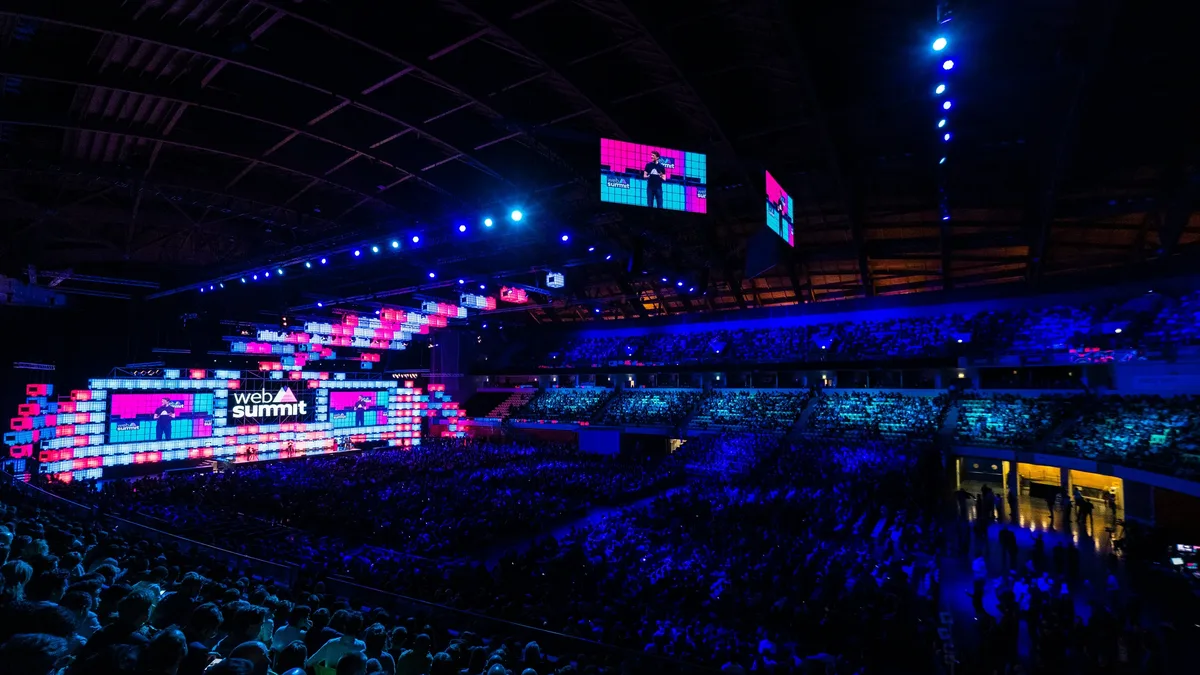
Jay-Z Closes 30th Anniversary Tour at SoFi Stadium
Jay-Z concluded his yearlong 'Jay-Z 30' tour with a finale at SoFi Stadium, breaking a Yankee Stadium ticket sales record and featuring major guest...
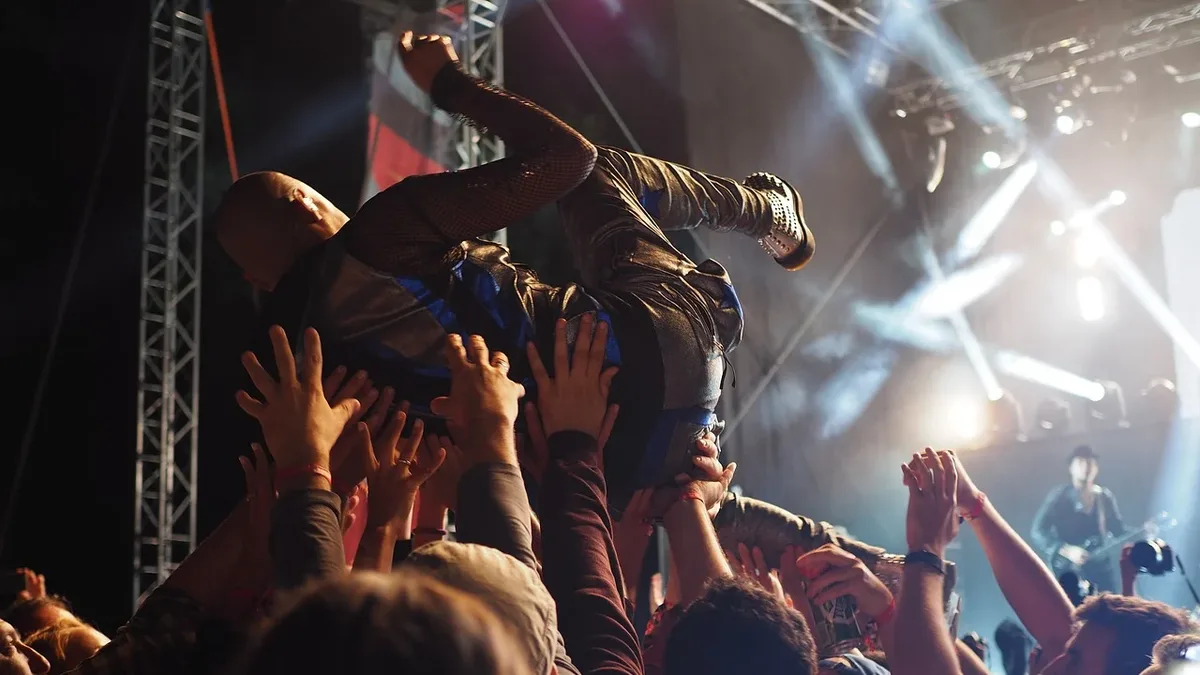
Kanye West's St. Petersburg Concerts Canceled
Two planned stadium concerts by Ye at Gazprom Arena in St. Petersburg, scheduled for October 10 and 11, 2026, have been canceled.

Slipknot Announces 2027 Wembley Stadium Tour Opener
Slipknot will launch their biggest-ever global stadium tour at London's Wembley Stadium on July 3, 2027.