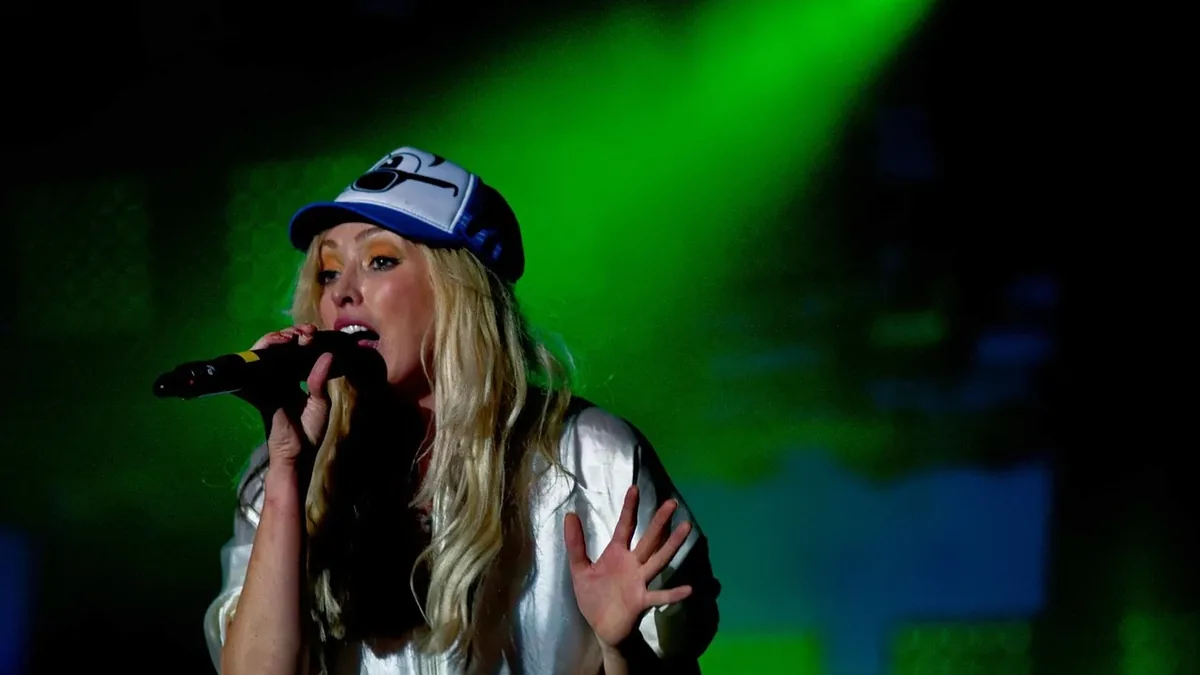
Taylor Swift
| Country of origin | United States |
|---|---|
| First created | 2000s (debut in 2006) |
| Original use | Country-pop songwriting and performance |
| Primary genre | Pop (evolved from Country) |
| Associated record label | Big Machine Records (initial), Republic Records (later) |
| Notable release context | "The Eras Tour" (2023–2024), supporting the re-recording project "Taylor's Version" |
Origin and history
Taylor Swift is a singer-songwriter who originated from the United States, specifically growing up in Wyomissing, Pennsylvania. Her career was first launched in the mid-2000s, with her self-titled debut album released in 2006. She initially established herself within the country music genre before transitioning to mainstream pop in the early 2010s. Her career is documented across distinct musical eras, each marked by a new studio album and associated aesthetic. This pattern of cyclical reinvention has become a foundational aspect of her artistic identity and commercial strategy. The historical arc of her work reflects a progression from narrative country storytelling to synth-pop, indie folk, and beyond, consistently anchored by autobiographical songwriting.
What it is for
Taylor Swift's album releases and accompanying tours are large-scale commercial and cultural events designed to promote a new body of musical work. The tour serves as a live, immersive extension of the album's themes, translating its sonic and visual concepts into a stadium-sized spectacle. These projects function as a primary economic engine, generating revenue from music sales, streaming, merchandise, ticket sales, and sponsorship. Beyond commerce, they are crafted to deepen the connection with her audience, offering fans a communal experience tied to the album's narrative. The tour often incorporates elaborate stage design, choreography, costume changes, and surprise elements to create a unique, event-driven performance. The entire cycle, from album launch to final tour date, is structured to sustain prolonged public engagement and media discourse over many months.
Pros and cons
A significant pro of a Taylor Swift release and tour is the exceptionally high production value and consistent delivery of a polished, memorable live show that meets fan expectations. The extensive catalog ensures a setlist that appeals to a broad range of listeners, spanning multiple genres and career phases. However, a major con is the intense demand, which leads to notoriously difficult and expensive ticket acquisition, often pricing out or frustrating portions of her audience. The scale of the phenomenon can also create an overwhelming cultural presence that some find inescapable, leading to listener fatigue among the general public. Fans who prefer her earlier musical styles may regret the artistic direction of newer albums, feeling disconnected from the evolving sound. A common mistake for attendees is underestimating the logistical and financial commitment required, given the event's size, duration, and associated travel costs.
Who it suits
The release and tour cycle particularly suits dedicated fans who engage deeply with her album narratives and enjoy participating in a large, communal fan culture. It appeals to concert-goers who prioritize a high-energy, visually spectacular production with a setlist of widely recognizable hits. This model suits listeners who appreciate artist-led thematic eras and the collectible merchandise and discussion that accompany them. It is less suited to casual listeners unwilling to navigate the competitive ticket marketplace or those who prefer smaller, more intimate live music venues. The experience also aligns with audiences who enjoy pop, country-pop, and narrative songwriting, though her recent work may attract those with broader indie or alternative tastes. Ultimately, it best serves those who view a concert as a major event and are prepared to invest the requisite time and resources.
Latest Taylor Swift news
Latest reporting

Taylor Swift's Encore Edition Drives ARIA Chart Double
Taylor Swift's 'The Life Of A Showgirl' returned to No. 1 on the ARIA Albums Chart with its 'Encore' edition.

Madonna and Taylor Swift Dominate 2026 MTV VMAs
Madonna won seven awards including Artist of the Year at the 2026 MTV Video Music Awards, marking her first performance there in 23 years.

Taylor Swift and Madonna Dominate 2026 MTV VMAs
Taylor Swift and Madonna claimed historic victories at the 2026 MTV Video Music Awards.

Taylor Swift, Madonna, Tinashe Lead New Music Friday
A wave of new music arrives from Taylor Swift, Madonna, Charli xcx, Tinashe, and Kenny Chesney.