
Rock
| Origin | United States |
|---|---|
| First created | Mid-20th century |
| Original use | Popular music |
| Typical instrumentation | Electric guitar, bass guitar, drums, vocals |
| Common subgenres | Classic rock, punk rock, heavy metal, alternative rock |
| Rhythmic feel | 4/4 time signature, backbeat emphasis |
| Lyrical themes | Social commentary, personal emotion, rebellion, romance |
Origin and history
Rock music originated in the United States during the late 1940s and early 1950s. Its foundational sound emerged from the blending of African-American genres like rhythm and blues and gospel with country music and western swing. The development was heavily influenced by the social and technological changes of the post-war era, including increased urbanization and the proliferation of radio and electric instruments. Early pioneers included musicians such as Chuck Berry, who defined its guitar-driven style, and Little Richard, who embodied its energetic performance ethos. The genre solidified its identity in the mid-1950s with the explosive popularity of artists like Elvis Presley, who fused these influences into a new, youth-oriented cultural force. By the 1960s, the genre had evolved into a dominant global form of popular music, spawning countless subgenres and movements.
What it is for
Rock music serves as a primary medium for amplified, rhythm-driven expression, typically built around the electric guitar, bass, and drums. Its core function is to provide a powerful vehicle for artistic statement, social commentary, and collective identity, particularly among youth cultures. The genre is designed for high-volume performance, creating a visceral, physical experience in live settings like concerts and festivals. It provides a framework for exploring themes of rebellion, personal freedom, political dissent, and romantic relationships with direct, often confrontational, lyrical and musical language. The structure of a rock tour and album release cycle is engineered to build community, generate sustained listener engagement, and showcase musical prowess through extended live performances. Ultimately, it functions as both a commercial entertainment product and a potent form of cultural and personal soundtrack.
Pros and cons
A significant pro of the rock genre is its capacity for genuine artistic longevity and the deep, loyal fan communities it cultivates over decades. The album-tour cycle allows for substantial artistic statements and provides a reliable economic model for sustaining a career through ticket and merchandise sales. However, a major con is the intense physical and mental toll of touring, which frequently leads to burnout, substance abuse issues, and strained personal relationships for artists. The genre can also struggle with commercial stagnation and relevance, often being perceived as outdated by mainstream audiences when compared to more contemporary electronic or hip-hop production. A common mistake for new bands is prioritizing studio perfection over developing a compelling live show, which is the genre's financial and cultural bedrock. Furthermore, artists may regret pigeonholing themselves into a narrow subgenre, limiting their creative growth and audience reach over time.
Who it suits
This genre best suits musicians who are committed to instrumental proficiency, particularly in guitar, drums, and vocals, and who thrive on the energy of live performance. It is ideal for songwriters and bands interested in exploring thematic depth, whether personal or political, within a tradition that values authentic expression over purely danceable beats. The rock pathway suits those with the physical and mental stamina to endure the demanding schedule of touring, including long periods away from home. It appeals to listeners and creators who find identity and community in the shared experience of loud, guitar-based music and its associated subcultures, from classic rock to punk and metal. The genre is less suited to individuals seeking quick, pop-oriented chart success or those uncomfortable with the often-criticized historical excesses and clichés associated with rock stardom. Ultimately, it is a path for those viewing music as a lifelong craft and a primary means of substantive communication.
Latest Rock news
Latest reporting

Pittsburgh Rock Legend Donnie Iris Dies at 83
Donnie Iris, the iconic Pittsburgh rock musician, has died at 83 after a three-year battle with bladder cancer.
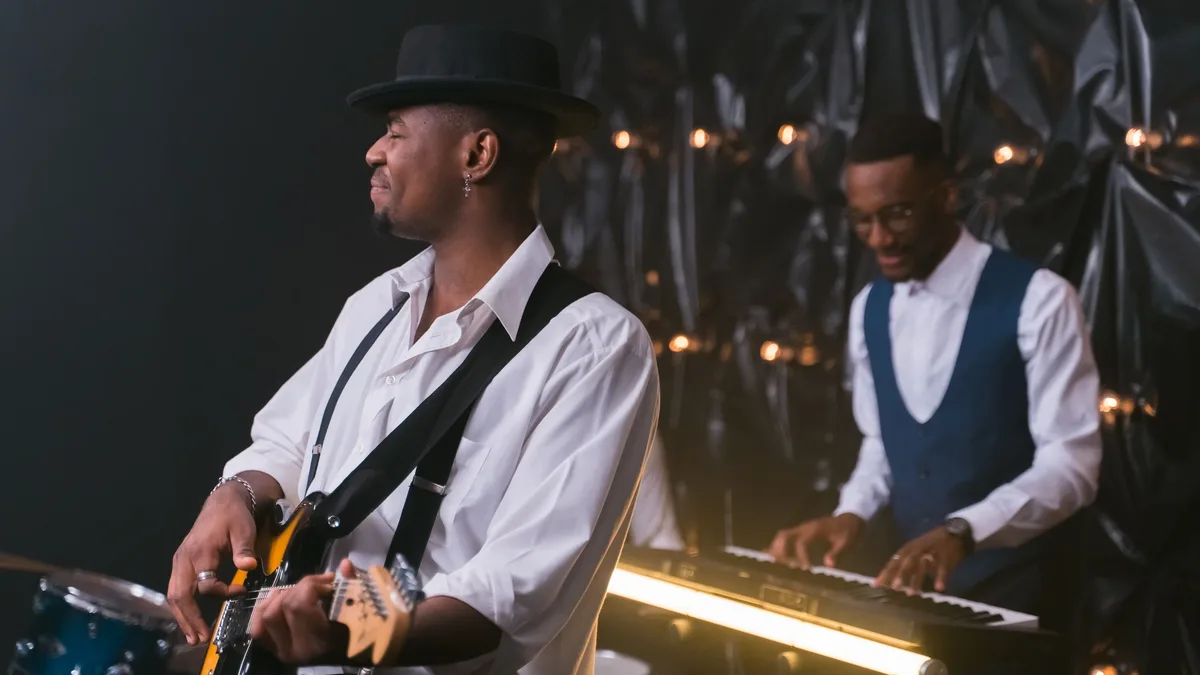
Eminem and Kid Rock reunite on new track 'Heal My Faith'
Eminem features on Kid Rock's album *Halfway 2 Jesus*, defending their collaboration as a friendship-first move beyond political divides.

R&B Singer Freddie Jackson Dies at Age 69
Freddie Jackson, the R&B singer famed for 1980s hits like 'Rock Me Tonight' and 'You Are My Lady,' has died at age 69. His family announced his...
Jimmy Barnes Pays Tribute to Angry Anderson with Rose Tattoo
Jimmy Barnes has released a cover of Rose Tattoo's 'Rock 'n' Roll Is King' in tribute to his late friend Angry Anderson.
GracieHorse Announces New Album Breaking And Entering
GracieHorse will release her new album 'Breaking And Entering' on January 29 via Wharf Cat Records. The album, produced by Chris Cohen, features the...

Petey USA's Oooo is a Must-Listen
Petey USA's latest project, Oooo, is a must-listen for fans of electronic pop and rock music.